

Quick Commerce in India: A Strategic Consultant’s Guide for Brands, Startups & Sellers

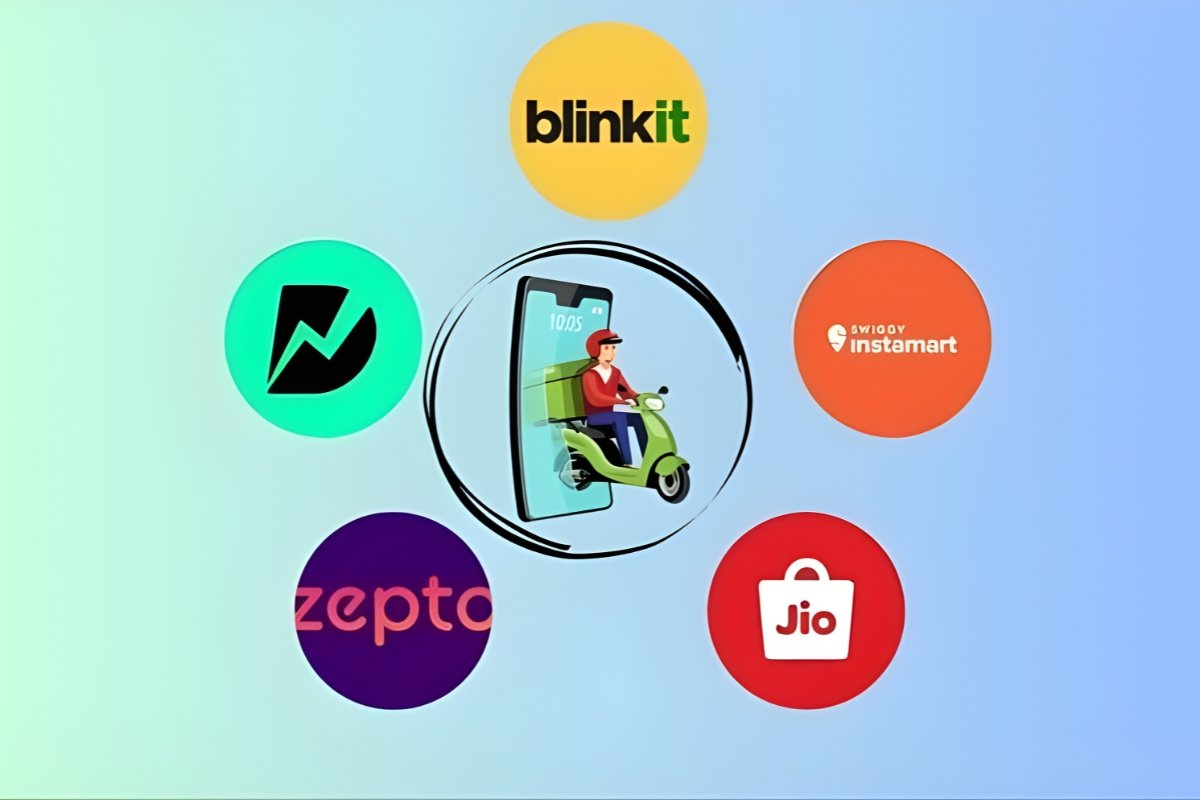
The way Indian consumers shop has changed dramatically. Convenience is no longer a differentiator it is an expectation. This shift has given rise to quick commerce, a business model built on ultra-fast delivery, hyperlocal inventory, and impulse-driven purchasing. In cities like Pune and Mumbai, quick commerce platforms have become an essential sales channel for consumer brands, FMCG startups, and emerging D2C businesses.
However, entering the quick commerce ecosystem is not as simple as listing products and waiting for orders. Brands that succeed understand platform economics, operational readiness, compliance alignment, and marketing strategy. This guide explains how quick commerce works in India, what it takes to sell on zepto and sell on blinkit, and how brands should approach platform onboarding with a long-term, sustainable mindset.
Understanding Quick Commerce Beyond Fast Delivery
Quick commerce is a hyperlocal delivery model designed to fulfill consumer orders within minutes rather than days. Unlike traditional e-commerce, which relies on centralized warehouses and planned purchases, quick commerce operates through dark stores, local fulfillment hubs, and real-time inventory management.
This model is particularly effective in dense urban markets where consumer demand is frequent, spontaneous, and time-sensitive. Products that perform best in quick commerce are daily essentials, impulse items, high-repeat goods, and fast-moving consumer products. For brands, this means higher visibility but also tighter operational control.
How Quick Commerce Differs from Traditional E-commerce
The fundamental difference lies in buyer intent and logistics. Traditional e-commerce focuses on planned purchases and competitive pricing. Quick commerce focuses on speed, convenience, and availability.
For brands, this means margin structures are different, platform commissions are higher, and inventory planning must be precise. Unlike marketplace-led e-commerce, quick commerce platforms expect brands to be operationally ready from day one.
Selling on Quick Commerce Platforms: Strategic Readiness Matters
Many founders assume that onboarding is just a technical process. In reality, platforms evaluate brand readiness carefully before allowing sellers to go live. To sell on zepto or sell on blinkit, brands must demonstrate reliable supply chains, consistent inventory availability, quality packaging, and compliance documentation.
The seller blinkit onboarding process, for example, is selective. Platforms prioritize brands that can support demand spikes without service failures. This is where many startups struggle not because their product lacks demand, but because backend readiness is weak.
Brand Listing on Quick Commerce Platforms
Effective brand listing on quick commerce platforms requires more than uploading product images. Product naming, SKU optimization, pricing logic, pack sizes, and placement strategy directly impact discoverability and sales velocity.
Unlike traditional e-commerce, where search-driven discovery dominates, quick commerce relies heavily on platform algorithms, category placement, and promotional visibility. Brands must align listings with platform behavior rather than consumer browsing habits alone.
Marketing Challenges in Quick Commerce
Quick commerce is not a passive sales channel. Brands must actively invest in the marketing of services within platforms. This includes in-app visibility, platform-led promotions, discount structures, and data-driven performance optimization.
A strong marketing services strategy ensures that products do not get buried under established brands. Unlike social or performance marketing, quick commerce marketing focuses on conversion speed rather than brand storytelling.
Cost and Margin Reality in Quick Commerce
Quick commerce offers scale but comes with margin pressure. Platform commissions, logistics costs, promotional discounts, and packaging requirements impact profitability. Brands that enter quick commerce without margin planning often exit within months.
For example, a packaged food brand in Pune achieved strong order volumes on a quick commerce platform but struggled with profitability due to aggressive discounting. After revisiting pricing strategy and reducing SKU complexity, the brand stabilized margins and sustained growth.
Understanding unit economics before onboarding is critical.
Compliance and Business Readiness for Quick Commerce
Platforms expect full compliance before onboarding. This includes GST registration, trademark protection, MSME status (preferred), quality certifications (where applicable), and clear invoicing structures.
Brands that lack legal or compliance readiness face delays or rejections. This is why strategic preparation matters more than speed when entering quick commerce.
Real Brand Scenarios: What Works and What Fails
A personal care startup in Mumbai successfully scaled through quick commerce by limiting product range to best-selling SKUs and ensuring consistent stock availability. In contrast, a beverage brand launched aggressively with multiple variants but failed due to inventory mismatches and low replenishment efficiency.
These scenarios highlight that quick commerce rewards operational discipline more than aggressive expansion.
Is Quick Commerce Right for Every Brand?
Quick commerce is powerful, but not universal. Products with low repeat rates, complex usage cycles, or high price sensitivity may struggle. Brands must assess whether their category aligns with impulse-driven, convenience-first buying behavior.
Strategic advisors help brands evaluate readiness before committing resources to quick commerce expansion.
The Role of Strategic Advisors in Quick Commerce Growth
Quick commerce success requires alignment across compliance, supply chain, pricing, and marketing. Advisors help brands structure onboarding, optimize listings, manage platform expectations, and build scalable growth strategies.
At Febstone, quick commerce is approached as a business expansion channel not just a sales experiment. The focus remains on sustainability, margin control, and long-term brand positioning.
Conclusion
Quick commerce is reshaping India’s retail landscape, especially in urban markets like Pune and Mumbai. For brands and startups, it offers unmatched speed-to-consumer but only for those prepared to operate at its pace.
With the right strategy, brands can successfully sell on zepto, sell on blinkit, and build a strong presence across quick commerce platforms. With Febstone’s consulting-led approach covering compliance, onboarding, marketing, and growth strategy, businesses gain clarity before scale ensuring that speed does not come at the cost of sustainability.
Get Strategic Support for Quick Commerce Expansion
📩 Email: info@febstone.com
Our consultants help brands prepare, onboard, and scale across quick commerce platforms with clarity and control.